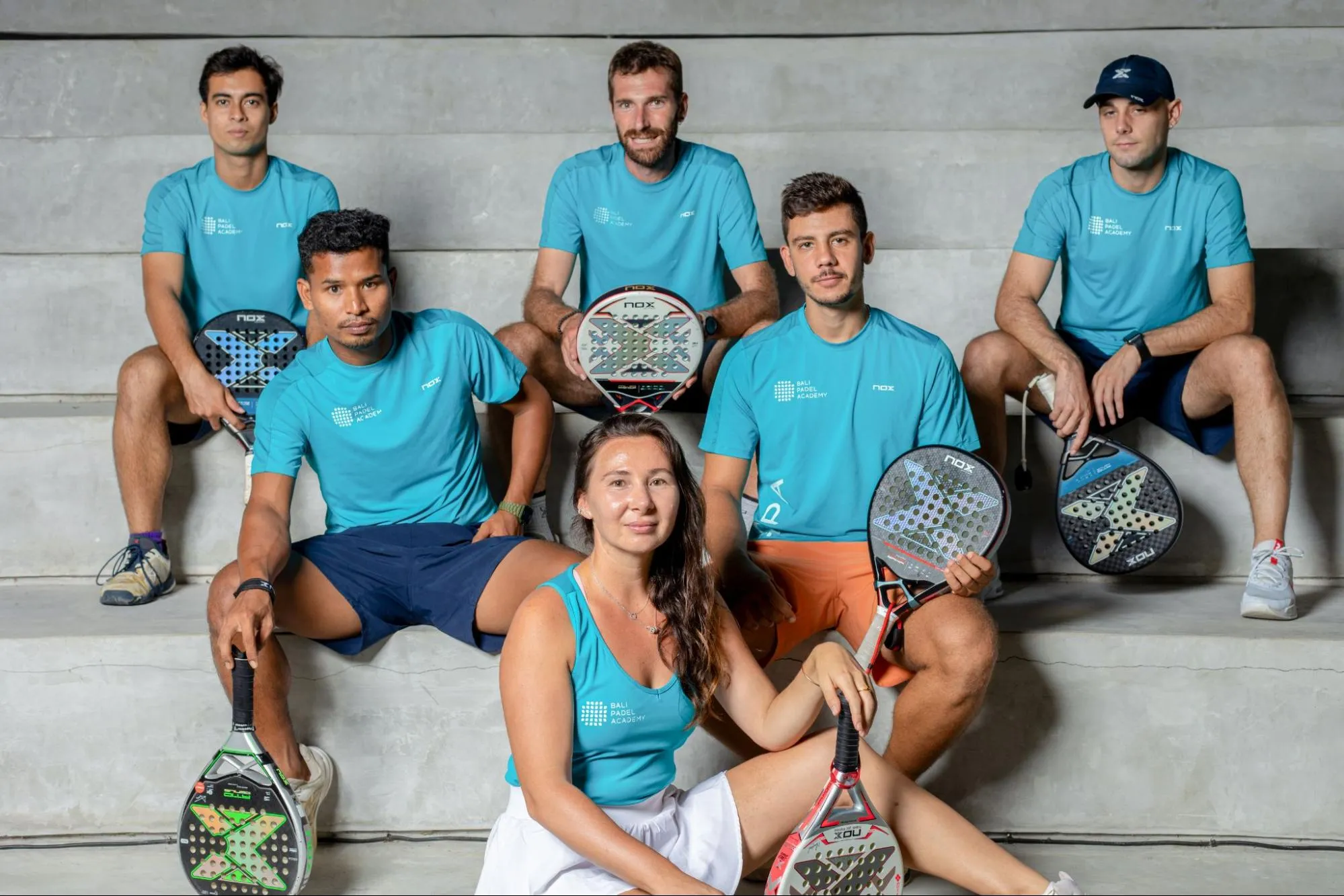
The FIP World Padel Report estimates that there are now more than 35 million amateur players worldwide, and the number of courts has surpassed 77,000 globally. Padel is now played in 150 countries and 20 dependent territories.
As new markets begin to develop, clubs are increasingly looking overseas to fill coaching gaps that cannot yet be met locally. Bringing in experienced coaches from established padel markets can help clubs introduce proven coaching methods, develop players and establish standards in markets where the sport is still finding its footing.
This trend is already becoming visible across Asia and other emerging regions. However, importing experience does not automatically guarantee the right hire. The value of a foreign coach ultimately depends on whether their experience, coaching style, and expertise align with what the local market actually needs.
When experience travels across borders
International recruitment is not new to sport. Established sporting markets have long exported coaches to countries looking to accelerate the development of a particular discipline. Padel is now entering a similar phase, but at a much faster pace because of the speed at which new clubs and facilities are being established.
For a club opening in a young market, recruiting an experienced coach from Spain, Argentina or another established padel country can make considerable sense. The coach may have spent years surrounded by the sport, worked with hundreds of players, competed at a high level or developed an understanding of training systems that simply do not yet exist locally.
While coaching is ultimately the means of sustaining a club, the right coaching hire must fit the market the club is serving. Clubs therefore need first to understand their current customer base and commercial needs, then hire coaches whose experience and strengths align with that market.
A coach’s capability is only valuable when it matches the needs of the players and community they are expected to serve. These differences do not make the coach less capable; instead, they change the context in which their capabilities are valuable.
Cultural expectations can also influence the success of an international appointment. The way feedback is given, how customers interact with coaches, the importance of social relationships, attitudes towards competition, and even expectations around service can vary considerably between countries. Language can add another layer of complexity, particularly when a coach is expected to build relationships with players rather than simply deliver technical instruction.
This is why the internationalisation of the coaching market needs to be accompanied by better matching. Bringing in foreign talent can accelerate the development of a young market, but the investment is most effective when the club is clear about what it needs that talent to accomplish.
The coaching investment needs to match the market
A club hiring its first international coach may understandably focus on credentials. A strong playing record, recognised certification or experience in an established padel market can provide reassurance, particularly when the local talent pool is still developing.
However, the more useful question is what the club is actually trying to build. If a club has hundreds of new players coming through its doors, it may need coaches who are exceptionally good at introducing beginners to the sport and turning them into regular players. If affluent recreational customers dominate the market, the ability to create enjoyable group sessions and a strong social environment may be more commercially valuable than a long list of professional tournament results.
In another market, the priority may be juniors. If tennis and squash players are beginning to transition into padel, the club may need coaches who understand how to develop athletes coming from other racket sports. If national competition is developing quickly, the requirement may instead be a high-performance coach capable of accelerating the progress of players who have a limited competitive window.
These are all legitimate coaching requirements, but they are not interchangeable. A club can spend significantly more money bringing in a coach with an impressive background and still make the wrong investment if that coach’s experience does not correspond to the needs of its customer base. Conversely, a coach with fewer competitive achievements may provide substantially greater value if they are particularly effective at retaining beginners, developing juniors, or creating a community around the club.
This is where the coaching market is likely to become more sophisticated. Clubs will increasingly need to consider not just who is available, but what kind of coaching capability their market is missing.
What makes a padel coaching job a career?
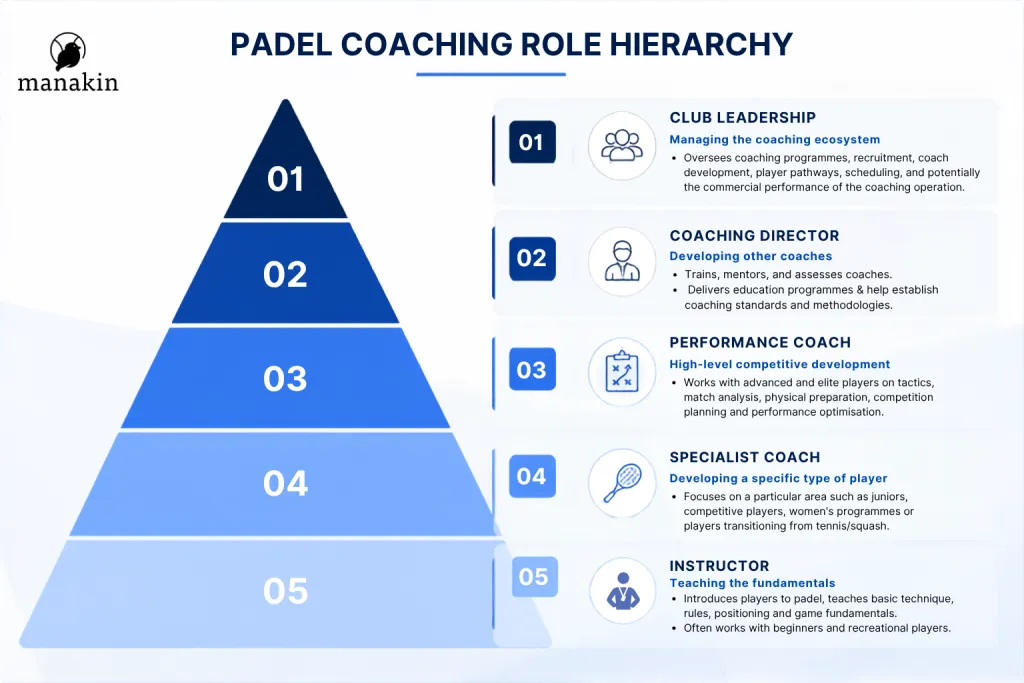
The different types of roles existing within the padel coaching ecosystem
Other established sports provide a useful comparison here. Tennis, for example, developed a much broader coaching profession as participation expanded beyond elite competition. Coaching became more than a role taken by former professional players. It developed into a career with different specialisations, levels of expertise and professional pathways: coaches working with beginners, juniors, recreational adults, competitive juniors, national players and professional athletes.
The development of a career structure matters because it creates a reason for young coaches to enter the profession and continue developing within it. A coach does not have to reach the highest level of competitive tennis to have a successful career. There are meaningful roles at different stages of the player journey.
Padel is still developing this ecosystem. For young markets, this creates both a challenge and an opportunity. If coaching is treated simply as a job that fills court time, clubs may struggle to attract and retain talented people. Where coaching becomes a genuine profession, a young player who has grown up in the sport can eventually see a pathway from player to instructor, from instructor to specialist coach, and potentially into performance coaching, coaching director, or club leadership.
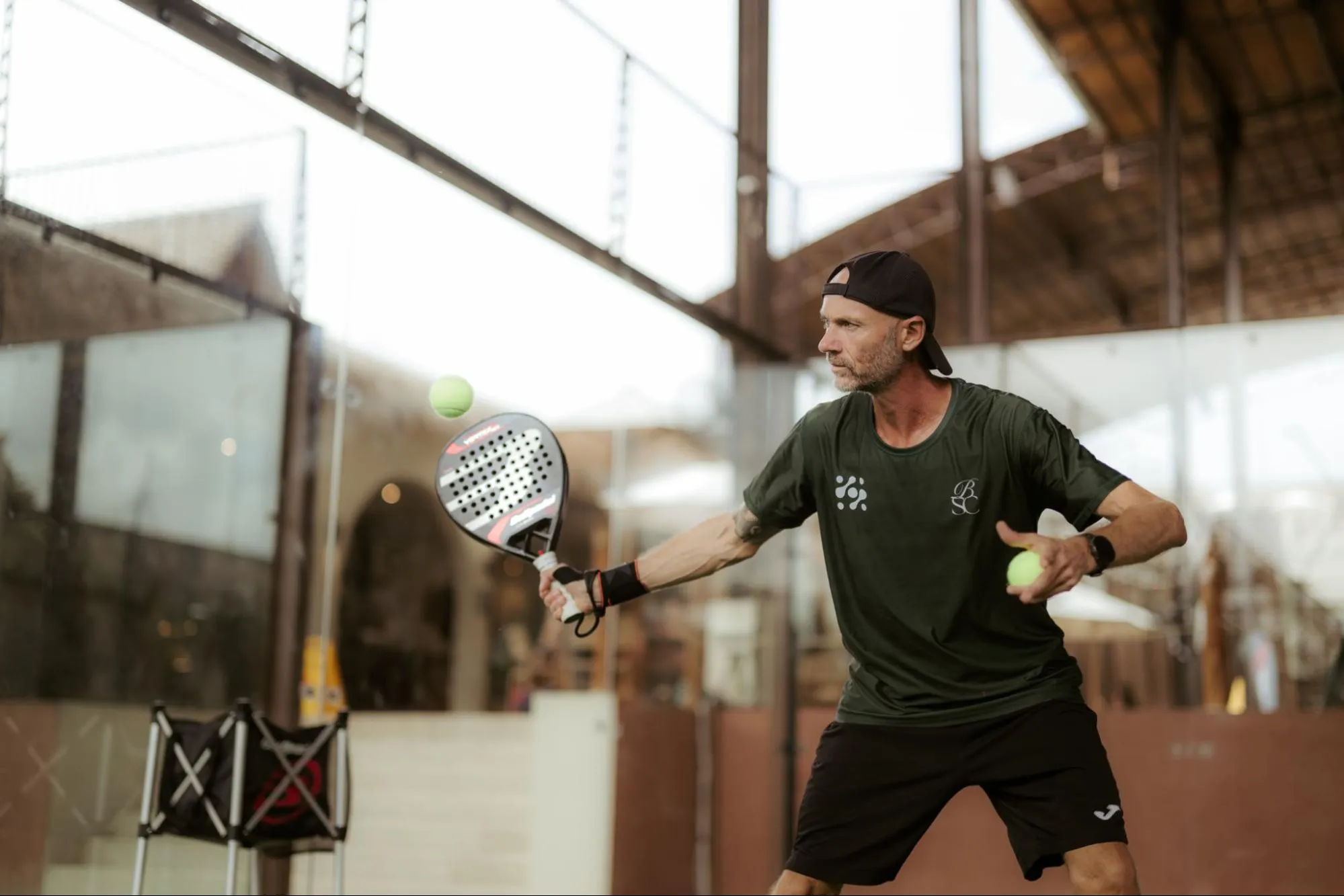
Davide Tortora is a prime example of a coach who has stepped into club leadership, becoming a driving force behind Bali Social Club’s undeniable success.
This is particularly important because emerging markets cannot rely indefinitely on importing foreign coaches. International coaches can transfer knowledge and accelerate development, but a sustainable ecosystem eventually needs to produce its own coaching talent.
The foreign coach who arrives today may therefore have a role that extends beyond the players they personally teach. The strongest appointments can help establish coaching standards, mentor younger coaches and transfer knowledge into the local market. That is a much greater return on the investment than simply filling a timetable.
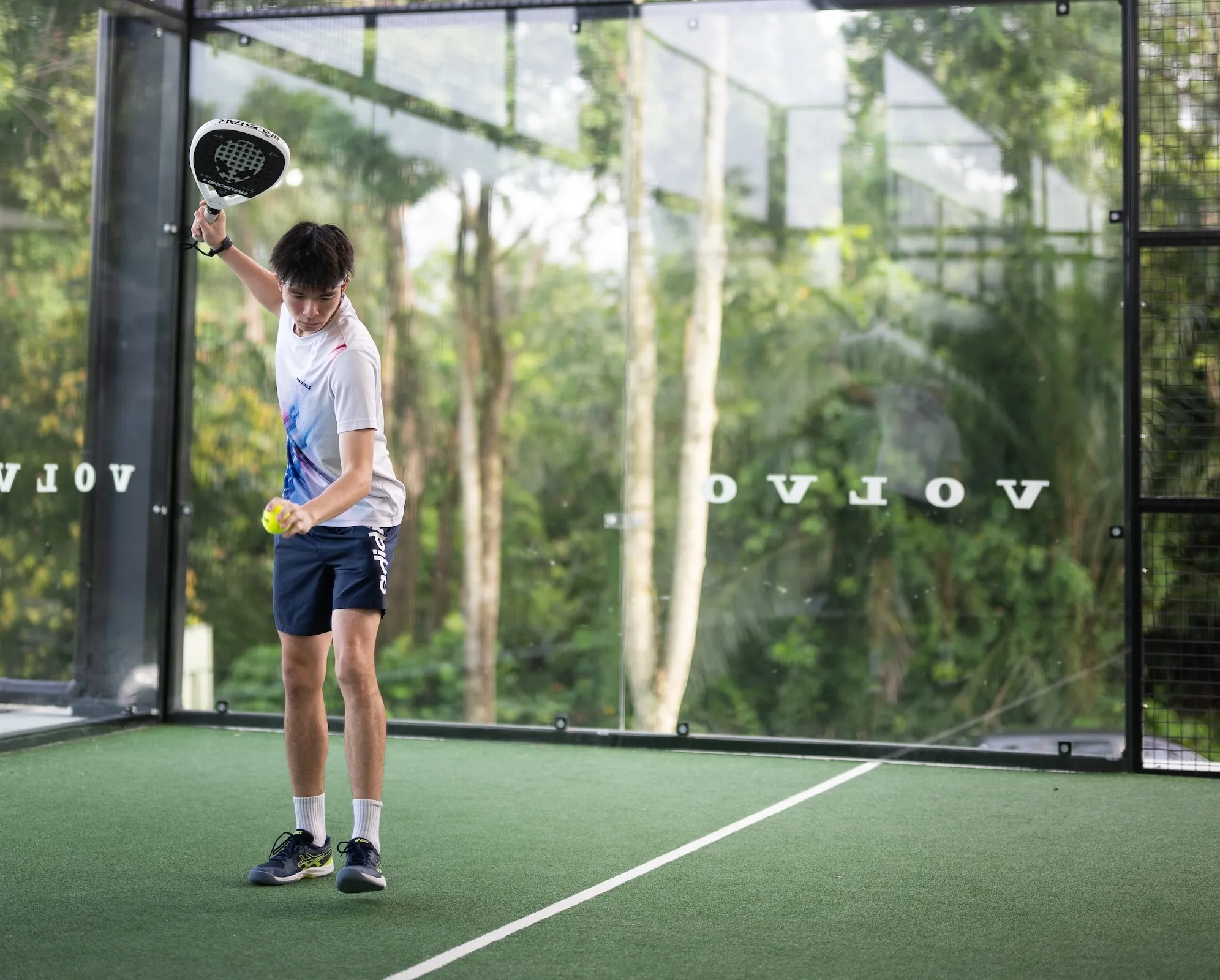
Aidan Yunus, Malaysia’s National Padel Player, has also taken on coaching roles at Joy Division Padel 2, with strong local interest in training with him – reflecting enthusiasm for the development of national-level players.
Certification will become easier to compare; experience will become harder to replace
The growth of coach education is an important part of this process. As padel becomes more professional, accessible certification pathways are necessary to create a baseline of knowledge and give new coaches a way into the industry.
However, certification alone is unlikely to answer the questions clubs increasingly need to ask. A certificate may demonstrate that a coach has completed a particular course, but it does not necessarily tell a club whether that person can work with children, build a beginner programme, retain recreational players, develop competitive athletes or adapt their coaching style to a different culture.
This is not an argument against certification. It is an argument for understanding what certification can and cannot tell an employer. As more coaches become certified, experience, specialisation and demonstrated results will become increasingly important differentiators. Clubs will need to look more closely at what a coach has actually done:
- Type of players they have worked with
- The programmes they have developed
- The markets they have worked in
- The environments in which they have been successful
For coaches, this creates an opportunity to become more specialised. Rather than presenting themselves simply as “padel coaches”, they can increasingly define what they are good at and where that experience is most relevant.

Kilian Manzano, formerly Asia Pacific Padel’s Tournament Director, now serves as Head Coach at Jungle Padel Sanur, where he also coaches and develops junior talent. Proof of how prior experience can open new opportunities within the padel coaching profession.
The customer does not always want the most decorated coach
One of the more interesting changes taking place at grassroots level is the widening definition of what players expect from coaching. A highly decorated former player can be an enormous asset to a club. Their experience can provide credibility and attract players who are serious about improving. At the performance level, that background may be particularly valuable.
However, it is important to note that the majority of padel players are not trying to become professionals. For many recreational players, the value of a coach may lie elsewhere. They may want someone who can explain the game clearly, help them improve without making the experience intimidating, introduce them to other players and make them look forward to returning the following week.
In these circumstances, the coach becomes part instructor and part community builder. They may organise social sessions, create groups, encourage new players and help people find partners of a similar level. What might appear from the outside to be a relatively simple coaching role can actually have a significant effect on customer retention.
This is particularly relevant in markets where padel is still competing with other leisure activities such as pickleball for the attention of consumers. Padel may be new and exciting, but novelty alone is unlikely to sustain participation indefinitely. Players need to feel that they are improving, enjoying themselves or becoming part of something, and a coach is often at the centre of that experience.
Sustainable growth requires more than courts
The rapid expansion of facilities seen in markets such as Sweden demonstrated how quickly investment can flow into padel when participation is growing. It also showed what can happen when infrastructure expands faster than the underlying economics and customer base are able to support it. When demand softened, many facilities struggled, and the market went through a significant correction.
The lesson for emerging markets is not that rapid growth is necessarily unhealthy. Sustainable growth requires the different parts of the ecosystem to develop together. Courts create capacity. Marketing creates awareness. Club management creates the operating structure. However, coaching helps turn first-time customers into players who understand the sport, improve, find a community, and continue participating.
If a club continually replaces coaches, players may lose relationships they have built. If the coaching offer does not match the customer base, players may not see enough value to continue taking lessons. If talented juniors and competitive players cannot find appropriate development, the market may struggle to produce its own higher-level athletes.
Sustainable growth therefore requires investment in people alongside investment in infrastructure. The question is not simply how many coaches a market can attract. It is whether the coaching workforce being built is appropriate for the market and whether it can continue to develop as the market itself changes.
The next stage of the padel job market
Foreign coaches will continue to move into young markets because their experience can accelerate development. At the same time, local coaches will emerge as players who have grown up with padel enter the profession, while former tennis and squash players continue to transition into coaching. As the market matures, clubs will become more deliberate about the coaches they need, whether that is a performance specialist, junior development coach, beginner coach or someone capable of building a strong recreational community.
This will make coaching a genuine international career market, but it also places greater responsibility on clubs. A coaching position should not be viewed simply as a job. Clubs have an opportunity, and arguably a responsibility, to create pathways through which coaches can broaden their experience, develop new skills, take on greater responsibility and build long-term careers in the sport.
As the market expands across countries, relying entirely on personal networks, informal recommendations and social media makes it harder for both sides to understand what opportunities exist and whether they are genuinely aligned.
Padel has built an extraordinary physical infrastructure in a remarkably short period of time. The next phase requires the same deliberate thinking about the people operating within it.
For clubs, that means looking beyond certification and playing credentials to consider customer needs, cultural fit, development potential and long-term retention. For coaches, it means recognising that a career in padel can take many forms and that the experience most valuable in one market may not be the same in another.
The opportunity in the current coaching boom is therefore bigger than simply filling the growing number of coaching positions. It is to build the foundations of a profession, one where clubs create meaningful career pathways, coaches continue to grow, and the people developing the sport are allowed to grow with it.
Coaches looking for work can browse jobs by country. Clubs hiring a coach can post a job or create a club profile.